we help individuals and couples better understand their emotional patterns so they can build healthier, more secure relationships.
The Dating Quiz You Didn’t Know You Needed
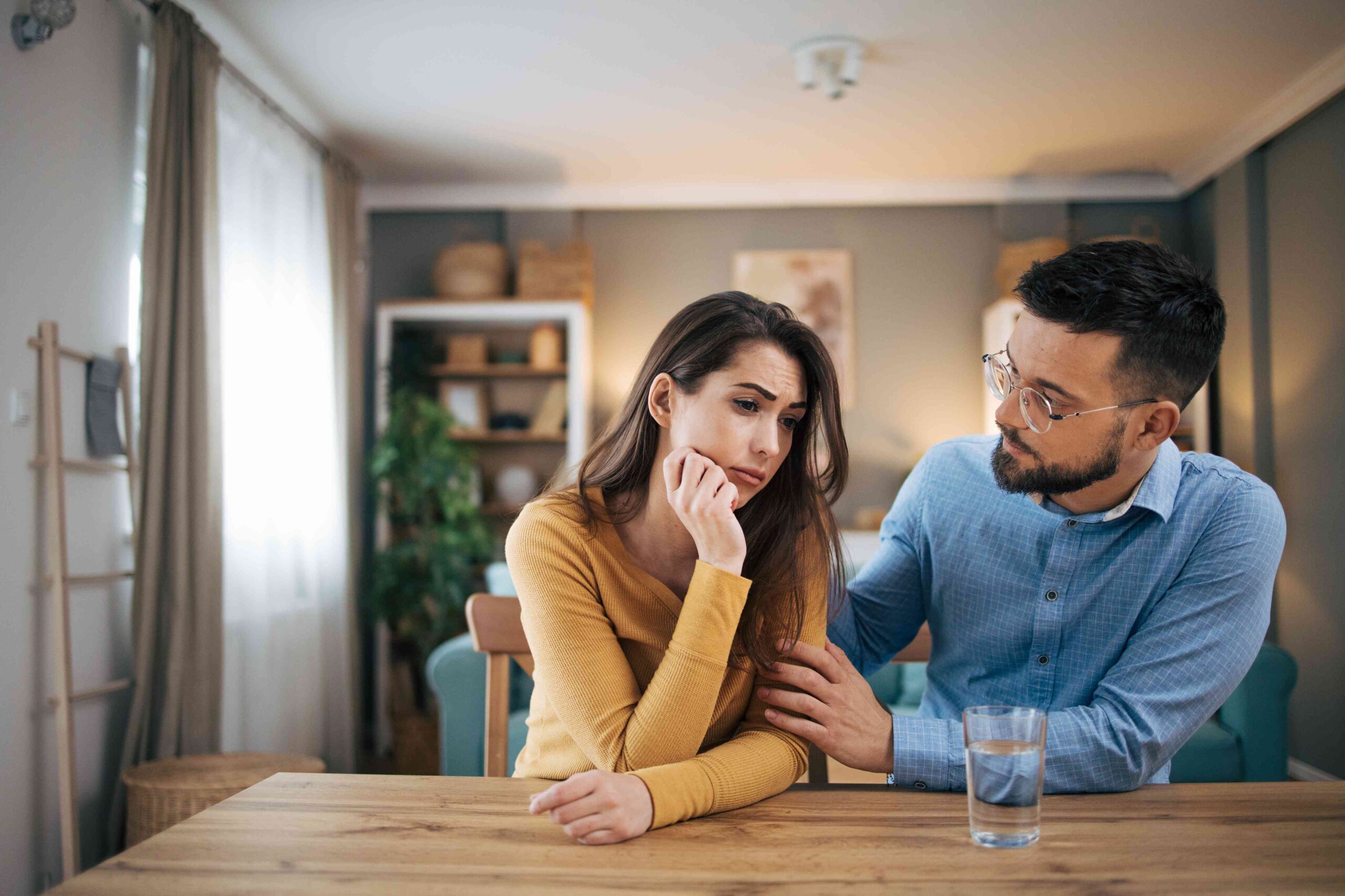
Ever texted “I’m fine” while secretly refreshing your phone every 30 seconds?
Or maybe someone gets “too close” and suddenly you need space… forever.
Welcome to the world of attachment styles — the invisible relationship blueprint that shapes how we love, argue, trust, communicate, and emotionally survive modern dating.
At K&B Wellness, we help individuals and couples better understand their emotional patterns so they can build healthier, more secure relationships.
Because sometimes the issue isn’t that you’re “too much.”
Sometimes your nervous system is just trying to protect you.
What Are Attachment Styles?
Attachment styles are emotional relationship patterns usually formed during childhood and carried into adult relationships. They influence:
- Communication
- Conflict
- Trust
- Emotional intimacy
- Fear of abandonment
- Independence
- Relationship anxiety
There are four main attachment styles:
1. Secure Attachment
The “healthy relationship” blueprint.
Securely attached people:
- Communicate openly
- Trust their partners
- Handle conflict without panic
- Can be independent and emotionally close
Green flag energy.
2. Anxious Attachment
The “Do you still love me?” attachment style.
People with anxious attachment may:
- Overthink texts and tone
- Fear abandonment
- Need reassurance often
- Feel emotionally overwhelmed in dating
They crave closeness but often fear rejection.
Translation:
“I saw you active online 4 minutes ago.”
3. Avoidant Attachment
The “I need space” attachment style.
Avoidantly attached people may:
- Pull away when things get serious
- Struggle with vulnerability
- Feel overwhelmed by emotional needs
- Value independence over connection
They often care deeply — but emotional closeness can feel unsafe.
4. Fearful-Avoidant (Disorganized) Attachment
The emotional rollercoaster attachment style.
These individuals often:
- Crave love but fear getting hurt
- Push people away then miss them
- Struggle trusting others
- Experience emotional highs and lows in relationships
This style is common in people with unresolved trauma or inconsistent relationships growing up.
Mini Attachment Style Quiz
Be honest… your situationship depends on it.
1. When someone doesn’t text back quickly, you:
A. Assume they’re busy
B. Start overthinking immediately
C. Feel annoyed they expect constant communication
D. Alternate between panic and wanting to disappear
2. During conflict, you usually:
A. Talk things through calmly
B. Need reassurance and emotional clarity
C. Shut down or withdraw
D. Want closeness but also feel defensive
3. In relationships, you fear:
A. Losing connection occasionally, but trust things will work out
B. Being abandoned or replaced
C. Losing independence
D. Being hurt, betrayed, or emotionally trapped
4. Your dating pattern looks like:
A. Consistent and healthy
B. “Why am I always anxious?”
C. “Why do people get clingy?”
D. “Why is love so intense and confusing?”
Your Results
Mostly A’s → Secure Attachment
You likely feel comfortable with intimacy, communication, and emotional balance.
Mostly B’s → Anxious Attachment
You may crave reassurance, emotional closeness, and consistency — while struggling with overthinking or fear of abandonment.
Mostly C’s → Avoidant Attachment
You value independence and may struggle with emotional vulnerability or feeling “needed.”
Mostly D’s → Fearful-Avoidant Attachment
You may deeply desire love but also fear emotional pain, creating push-pull dynamics in relationships.
Can Attachment Styles Change?
Yes — absolutely.
Attachment styles are not life sentences.
With:
- Self-awareness
- Healthy relationships
- Therapy
- Emotional regulation skills
- Boundary work
- Healing unresolved trauma
…people can move toward secure attachment.
That’s the goal — not perfection, but emotional safety.
Signs You May Benefit From Therapy for Relationship Patterns
You may benefit from counseling if:
- You constantly overthink relationships
- You fear abandonment
- You struggle trusting people
- You sabotage healthy connections
- You avoid emotional intimacy
- Your relationships feel emotionally exhausting
At K&B Wellness, we help clients explore attachment wounds, relationship anxiety, trauma responses, communication struggles, and emotional healing in a supportive, judgment-free space.
We offer:
- Individual therapy
- Couples counseling
- Trauma-informed therapy
- Anxiety support
- Emotional regulation support
- Virtual therapy sessions
Final Thought
Your attachment style is not your identity.
It’s a pattern — and patterns can heal.
The right relationship won’t cure unhealed wounds, but healing will help you recognize healthier love when it arrives.
And sometimes the biggest relationship glow-up isn’t finding someone new…
it’s finally understanding yourself.