As summer comes to an end, many families begin preparing for a new school year with fresh backpacks, school supplies, and busy schedules. While this season can be exciting, it can also bring overwhelming emotions for both children and parents. Back-to-school anxiety is more common than many people realize, affecting students of all ages—from preschool …
As summer comes to an end, many families begin preparing for a new school year with fresh backpacks, school supplies, and busy schedules. While this season can be exciting, it can also bring overwhelming emotions for both children and parents. Back-to-school anxiety is more common than many people realize, affecting students of all ages—from preschool through high school—and even parents who worry about their child’s success and well-being.
At K&B Wellness, we understand that emotional health is just as important as academic achievement. Here’s how to recognize the signs of back-to-school anxiety and help your child navigate the transition with confidence.
What Is Back-to-School Anxiety?
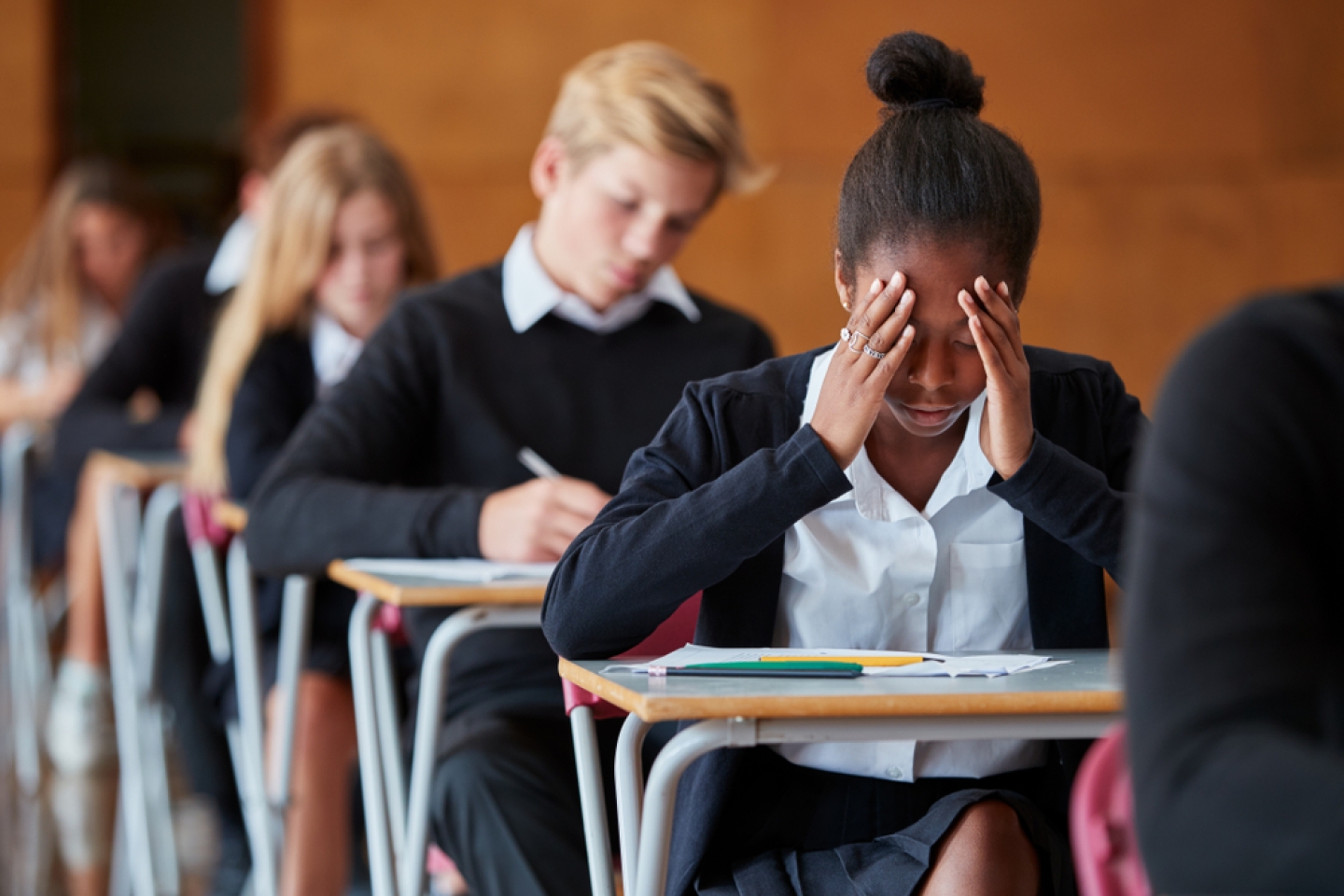
Back-to-school anxiety is the stress, fear, or nervousness children experience before or during the start of a new school year. It can stem from changes in routine, academic expectations, social pressures, bullying concerns, separation from caregivers, or fear of the unknown.
A small amount of nervousness is completely normal. However, when anxiety begins interfering with daily functioning, it may be time to seek additional support.
Signs Your Child May Be Experiencing Anxiety
Every child expresses anxiety differently. Some common signs include:
- Complaints of headaches or stomachaches with no medical cause
- Difficulty sleeping or frequent nightmares
- Increased irritability or emotional outbursts
- Crying before school
- Refusing to attend school
- Loss of appetite
- Trouble concentrating
- Excessive worrying about grades, teachers, or friendships
- Clinginess, especially in younger children
Teenagers may withdraw from family, become unusually quiet, or express feelings of hopelessness or overwhelming pressure.
Why Parents Feel Back-to-School Anxiety Too
Parents often experience anxiety alongside their children. Questions like:
- Will my child make friends?
- Will they be safe?
- Will they succeed academically?
- Is this the right school?
These worries are natural. Children often notice their parents’ emotions, making it even more important for adults to manage their own stress while modeling healthy coping skills.
8 Ways to Reduce Back-to-School Anxiety
1. Start Routines Early
Begin adjusting bedtime, wake-up times, and meal schedules one to two weeks before school starts. Predictable routines create a sense of safety and reduce uncertainty.
2. Talk About Feelings
Ask open-ended questions such as:
- “What are you looking forward to this year?”
- “Is there anything you’re nervous about?”
- “What would help you feel more prepared?”
Listen without immediately trying to “fix” every concern.
3. Visit the School
If possible, attend orientation, walk the hallways, locate classrooms, or practice the route to school. Familiarity reduces fear of the unknown.
4. Focus on Preparation, Not Perfection
Remind your child that no one has to have the perfect first day. Mistakes, nervousness, and awkward moments are all part of learning and growing.
5. Practice Relaxation Skills
Teach simple coping techniques such as:
- Deep breathing
- Progressive muscle relaxation
- Positive affirmations
- Mindfulness exercises
- Visualization
These skills can be used before school, during class, or whenever anxiety arises.
6. Limit Information Overload
Too much exposure to social media or conversations comparing schedules, clothes, or friend groups can increase anxiety. Encourage healthy breaks from screens.
7. Celebrate Small Wins
Praise effort instead of perfection. Celebrate getting on the bus, meeting a new teacher, asking a question in class, or simply making it through the first week.
8. Stay Connected
Maintain regular communication with teachers, school counselors, and your child. A supportive team can identify concerns early before they become larger challenges.
When Should Parents Seek Professional Help?
Consider speaking with a licensed mental health professional if your child:
- Experiences anxiety lasting several weeks
- Has frequent panic attacks
- Regularly refuses school
- Shows significant changes in eating or sleeping
- Becomes socially isolated
- Experiences declining grades due to anxiety
- Talks about feeling hopeless or worthless
Early intervention can make a tremendous difference in helping children build healthy coping skills that last a lifetime.
Helping Children Build Confidence
Confidence doesn’t come from never feeling anxious—it comes from learning that you can manage difficult emotions and still succeed. Parents can build resilience by encouraging independence, celebrating progress, and reminding children that growth often begins outside their comfort zone.
One of the most powerful messages you can give your child is:
“It’s okay to feel nervous. You don’t have to be fearless—you just have to keep going.”
K&B Wellness Is Here to Help
If your child is struggling with back-to-school anxiety, you don’t have to navigate it alone. At K&B Wellness, our compassionate therapists provide evidence-based support for children, teens, and families experiencing anxiety, stress, school-related challenges, grief, behavioral concerns, and life transitions.
Whether your child needs short-term support during the school transition or ongoing counseling, we’re here to help them build confidence, emotional resilience, and healthy coping strategies.
Schedule an Appointment Today
K&B Wellness
3527 Ridge Road
Lansing, IL 60438
Phone: (312) 500-4883
Email: infokbwellness@gmail.com
Together, we can help your child start the school year feeling supported, confident, and ready to succeed.
Tags:anxiety counseling for childrenBack-to-school anxietyback-to-school mental healthchild anxiety symptomschildren's therapist in Illinoiscoping skills for kidsfamily counselingK&B WellnessLansing IL therapistparent tips for school anxietyschool anxiety in childrenschool stressstudent mental healthteen anxiety