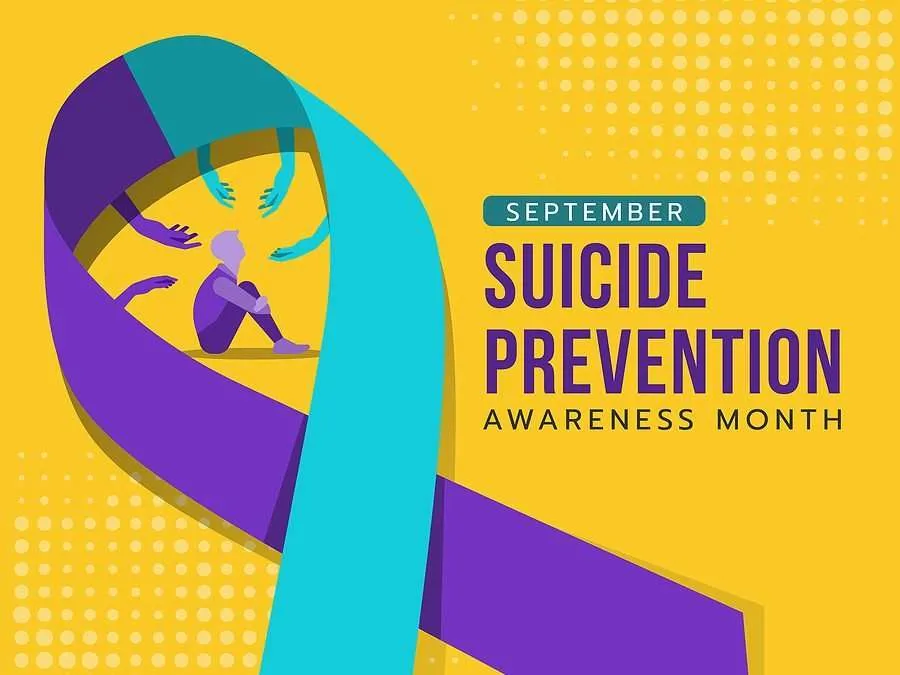
September is Suicide Prevention Month, a time dedicated to raising awareness, reducing stigma, recognizing warning signs, and reminding people of one important truth: you do not have to face your hardest moments alone. At K&B Wellness, we believe conversations about suicide should not be surrounded by shame or silence. Talking openly and compassionately about mental health can help …
September is Suicide Prevention Month, a time dedicated to raising awareness, reducing stigma, recognizing warning signs, and reminding people of one important truth: you do not have to face your hardest moments alone.
At K&B Wellness, we believe conversations about suicide should not be surrounded by shame or silence. Talking openly and compassionately about mental health can help people feel seen, encourage them to seek support, and create opportunities for connection when they need it most.
Suicide Prevention Starts With a Conversation
Someone who is struggling with suicidal thoughts may not always look like they are in crisis.
They may still go to work. They may take care of their children. They may laugh with friends, answer texts, attend school, post on social media, or continue with their normal routine.
That is why checking on the people we love matters.
Instead of only asking, “Are you okay?” consider creating space for a more meaningful conversation:
“How are you really doing?”
“You haven’t seemed like yourself lately. Do you want to talk?”
“I’m here with you. You don’t have to figure everything out today.”
Sometimes people do not need someone to immediately fix the problem. They need a safe person who is willing to listen without judgment.
Know the Warning Signs
Warning signs can look different from person to person, but changes that deserve attention may include:
- Talking about wanting to die, feeling hopeless, or having no reason to live
- Saying they feel like a burden to others
- Withdrawing from friends, family, or activities
- Significant changes in mood, behavior, sleeping, or eating
- Giving away meaningful belongings or unexpectedly saying goodbye
- Increasing alcohol or substance use
- Engaging in unusually reckless or risky behavior
- Expressing feelings of being trapped or experiencing unbearable emotional pain
One sign does not automatically mean someone is suicidal. However, significant or concerning changes should not be ignored.
It’s Okay to Ask About Suicide
Many people are afraid that asking someone directly about suicide will somehow put the idea into their head. You do not have to avoid the word.
If you are genuinely concerned, you can calmly ask:
“Are you thinking about suicide?”
If the answer is yes, take it seriously. Listen without judgment, stay connected with the person, and help them reach appropriate professional or emergency support. If there is an immediate danger, call 911 or go to the nearest emergency department.
In the United States, you can also call or text 988 to reach the Suicide & Crisis Lifeline. Support is available 24/7.
Mental Health Care Is Preventative Care
You do not have to wait until life becomes unbearable to begin therapy.
Therapy can provide a confidential space to work through depression, anxiety, grief, trauma, relationship difficulties, overwhelming stress, major life transitions, parenting challenges, loneliness, and other experiences that can affect emotional well-being.
Seeking help is not a sign that you have failed.
Sometimes asking for help simply means recognizing:
“I don’t want to carry this by myself anymore.”
And you shouldn’t have to.
Check on the “Strong” People, Too
During Suicide Prevention Month, we especially encourage you to check on the people who seem to handle everything.
Check on the friend who always makes everyone laugh.
Check on the parent who takes care of everyone else.
Check on the teenager who suddenly became quiet.
Check on the coworker who hasn’t seemed like themselves.
Check on the person experiencing a breakup, loss, financial hardship, illness, or major transition.
And check on yourself, too.
You are allowed to acknowledge when you’re overwhelmed. You are allowed to rest. You are allowed to ask for support. You are allowed to change therapists, try again, make the phone call, send the text, or simply tell someone:
“I’m not okay right now.”
At K&B Wellness, We’re Here to Listen
At K&B Wellness, our goal is to provide compassionate mental health support where individuals, couples, children, teens, and families can feel heard without judgment.
Whether you are navigating anxiety, depression, grief, trauma, family concerns, relationship challenges, or simply a difficult season of life, you don’t have to wait until you reach a crisis point to reach out for support.
This September, we encourage our community to make mental health conversations normal.
Ask the question. Make the call. Send the text. Check on someone. Speak up when you’re struggling.
A conversation may feel small, but connection matters.
If You Need Immediate Support
If you or someone you know is experiencing suicidal thoughts or a mental health crisis in the United States, call or text 988 to connect with the Suicide & Crisis Lifeline.
If someone is in immediate danger, call 911 or go to the nearest emergency department.