When we talk about self-care, it’s often reduced to bubble baths or taking a day off. From a mental health perspective, true self-care is much broader—and more intentional. One helpful way to evaluate whether your self-care is truly supportive of your well-being is the SPICES framework. SPICES reminds us that all areas of self-care must be addressed for balance and emotional …
When we talk about self-care, it’s often reduced to bubble baths or taking a day off. From a mental health perspective, true self-care is much broader—and more intentional. One helpful way to evaluate whether your self-care is truly supportive of your well-being is the SPICES framework.
SPICES reminds us that all areas of self-care must be addressed for balance and emotional wellness.
S – Social
Humans are wired for connection. Social self-care includes healthy relationships, communication, boundaries, and meaningful interactions. Isolation can increase anxiety and depression, while supportive connections protect mental health.
P – Physical
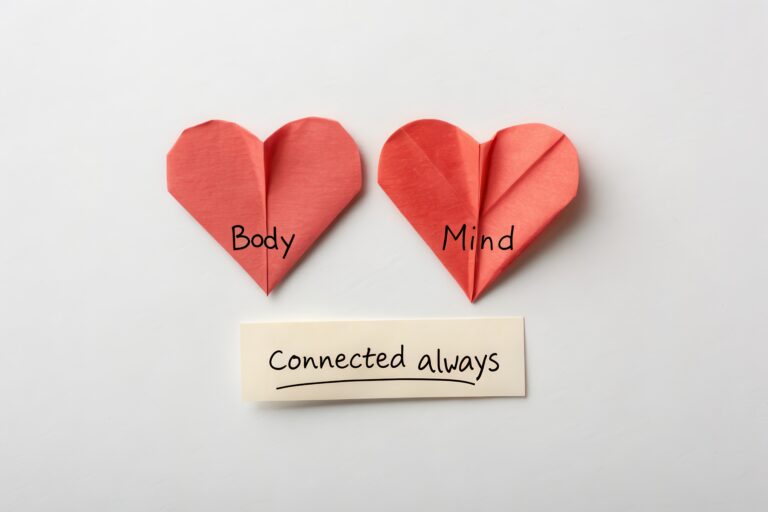
Physical self-care supports the mind-body connection. This includes sleep, movement, nutrition, hydration, and attending to medical needs. Caring for your body directly impacts mood, stress levels, and emotional regulation.
I – Intellectual
Intellectual self-care involves mental stimulation and curiosity. Learning new skills, reading, problem-solving, or reflecting helps keep the mind engaged and supports cognitive and emotional growth.
C – Creative
Creative self-care allows for self-expression and emotional release. Art, music, writing, crafting, or imaginative play can reduce stress and help process emotions in non-verbal ways.
E – Emotional
Emotional self-care means acknowledging, expressing, and regulating emotions. This may include therapy, journaling, mindfulness, self-compassion, and naming feelings without judgment.
S – Sense of Belonging
A sense of belonging supports identity and emotional safety. This can come from community, culture, spirituality, shared values, or feeling accepted and understood.
Why SPICES Matters in Mental Health
Self-care is most effective when it’s balanced and intentional. When one area is neglected, emotional well-being can suffer. I often use the SPICES Framework self-care model with clients as a way to evaluate what’s working, what’s missing, and where support is needed.
True self-care isn’t about perfection—it’s about awareness, balance, and meeting your needs across all areas of life.